Federal Reserve Bank: Everything you need to know
📅 2026 Update: Recent Changes in Federal Reserve Operations
Since the original article was published, there have been significant updates regarding the Federal Reserve and its operations. Changes in the federal funds rate, adjustments in funding programs, and evolving grant processes have shaped how the Federal Reserve interacts with the economy and the public. The earlier article continues further down the page and provides foundational information on the Federal Reserve's role.
📈 Federal Funds Rate Adjustments
The Federal Open Market Committee (FOMC) has made several adjustments to the federal funds rate target range between 2024 and 2026. These changes are meant to influence economic conditions, impacting borrowing rates and spending. The current rate can affect everything from mortgage rates to business loans, making it a key focus for many.
🏦 End of the Bank Term Funding Program
The Bank Term Funding Program (BTFP) was concluded on March 11, 2024. This program had provided loans to eligible banks at a specific interest rate that was tied to the one-year overnight index swap rate. With the BTFP ending, banks may need to seek alternative sources of funding.
📝 Grant Application Process Updates
The grant application process continues to evolve. Applicants must read the instructions carefully on Grants.gov. Each funding opportunity includes a Notice of Funding Opportunity (NOFO) that outlines eligibility and application steps.
Understanding this process is crucial for organizations seeking federal grants.
⏳ Grant Application Review Times
The processing time for grant applications varies by agency and program. Each funding opportunity specifies its review timeframe. This information is essential for applicants to plan their project timelines effectively.
📊 Key Changes Summary
- 📈 Federal Funds Rate: Adjustments made to target range to impact economic conditions.
- 🏦 BTFP Conclusion: Program ceased on March 11, 2024, affecting bank funding.
- 📝 Grant Process: Detailed instructions provided through NOFOs on Grants.gov.
- ⏳ Review Times: Processing times differ by agency and program.
💡 Tips for Navigating Federal Grants and Programs
It's important to go over the details of your own situation with your attorney.
📋 Understand Eligibility Criteria
Before applying for grants, ensure you meet the eligibility requirements. Various organizations, including nonprofits and local governments, can apply depending on the funding opportunity.
📅 Keep Track of Deadlines
Each funding opportunity has specific deadlines outlined in the NOFO. Mark these dates on your calendar to ensure your application is submitted on time.
📑 Review the Grant Lifecycle
Familiarize yourself with the three phases of the grant lifecycle: pre-award, award, and post-award. Understanding these phases helps you navigate the process more effectively.
🔍 Seek Help When Needed
Utilize resources available on Grants.gov. They provide support to help applicants understand the grant process, including answering questions about eligibility and application procedures.
💼 Focus on Proposal Quality
A well-prepared grant proposal can significantly impact your chances of receiving funding. Pay attention to guidelines and present your project clearly and concisely.
🏆 Ranked by User Reviews (2026)
This section highlights services related to federal grants and funding opportunities. These services assist users in navigating the complex landscape of federal programs. The order follows Trustpilot data checked in October 2026, and scores can change over time.
Remember that star ratings may reflect more unhappy customers, as they often post more reviews.
🥇 1. Federal Award Management Registration
Federal Award Management Registration holds a Trustpilot score of 5.0. This service is known for providing registration assistance and grant application support. Reviewers highlight their efficiency in helping users navigate the registration process.
A caveat noted by some is the need for clear communication during the application process.
🥈 2. National Funding
National Funding has a Trustpilot score of 4.5. It is recognized for offering small business funding and equipment leasing options. However, some reviewers mention aggressive sales tactics and issues with post-approval communication.
This service can be beneficial for businesses seeking quick access to capital.
🆓 Free Government Assistance
Grants.gov provides resources for applicants at no cost. This service offers guidance on understanding the grant process, including eligibility criteria and application steps. It is an essential resource for those looking to secure federal funding without incurring additional costs.
🔎 Choosing the Right Service
- 📊 Compare service ratings and reviews to gauge customer satisfaction.
- 🔍 Look for services that specialize in federal grant applications.
- 💡 Check for support options available for applicants.
- 📅 Review the responsiveness of customer service before choosing a provider.
❓ Frequently Asked Questions
🌐 What is the Federal Reserve's main role?
The Federal Reserve conducts monetary policy to promote maximum employment and stable prices. It influences economic conditions through tools like the federal funds rate.
🏦 What happened to the Bank Term Funding Program?
The Bank Term Funding Program ceased extending new loans on March 11, 2024. This program had offered loans at a specific interest rate to eligible banks.
📅 How long does the grant application process take?
The processing time for grant applications varies by agency and program. Applicants should refer to the specific funding opportunity's guidelines for details.
📋 What types of organizations can apply for federal grants?
Eligibility for federal grants includes a range of organizations like state and local governments, educational institutions, and nonprofit organizations, depending on the funding opportunity.
🔍 Where can I find grant opportunities?
Grant opportunities are available on Grants.gov, which lists various funding opportunities and instructions for applications.
💼 What is the importance of the Notice of Funding Opportunity?
The Notice of Funding Opportunity (NOFO) provides essential details about eligibility, application requirements, and deadlines for each funding opportunity.
⚖️ Recent Court Cases Related to Federal Grants
Recent court rulings related to federal grants and funding can impact how programs operate and how funds are distributed.
- Florida court denies inmate's petition against corrections agencyDistrict Court of Appeal of Florida · July 15, 2020
- Court denies petition from Florida doctor against health agencyDistrict Court of Appeal of Florida · July 12, 2021
- Florida court denies Geer's petition against corrections agencyDistrict Court of Appeal of Florida · August 17, 2021
- Court affirms dismissal of foreclosure case against NY agencyAppellate Division of the Supreme Court of the State of New York · October 6, 2026
For more recent rulings, you can browse the more rulings on the news page.
End of October 2026 Update
What is the Federal Reserve System?
The Federal Reserve Banking System (more commonly known as the Federal Reserve) is the central banking framework of the United States. The Federal Reserve was created in 1913 through the passing of the Federal Reserve act. This central banking system was established, largely in response to a number of financial panics.
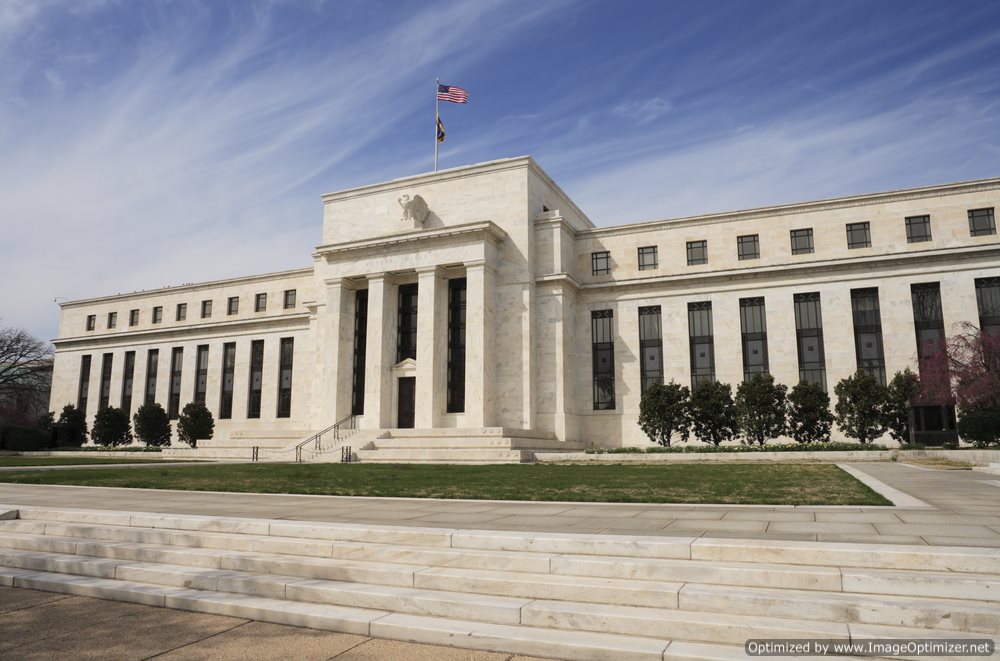
From the time the Federal Reserve System was established, the roles and responsibilities of the entity have evolved. Presently, the Federal Reserve System conducts the nation’s monetary policy (to balance the economy) and provides financial services to America’s various depository institutions, the United States government and other foreign banking entities. Furthermore, the Federal Reserve System is required to supervise and regulate the aforementioned institutions and effectively “bail them out” through cash infusions if insolvency occurs.
The Federal Reserve System’s structure is composed of a Board of Governors (each member is appointed by a President), twelve regional Federal Reserve banks (located throughout the United States in various major cities, the Federal Open Market Committee and numerous privately owned member banks and various advisory councils. The Federal Open Market Committee is responsible for setting monetary policies. This board consists of seven members of the Board of Governors and the presidents of the twelve regional banks.
Because of this structure, the Federal Reserve System has both public and private aspects; the Federal Reserve System was designed to serve the interests of the general public, as well as private banking institutions.
What is the Federal Reserve Bank?
The Federal Reserve Bank of new York is one of 12 Reserve Banks in the United States of America. Located at 33 Liberty Street in New York City, the Federal Reserve serves the Second District of the Federal Reserve System. This district is comprised of New York State, Northern New Jersey, Fairfield County (Connecticut), the United States Virgin Islands and Puerto Rico.
The Federal Reserve Bank implements monetary policy and regulates financial institutions in the aforementioned regions. The Federal Reserve Bank also maintains the country's payment system. The Federal Reserve Bank is the largest of the 12 regional institutions--it has the most assets and highest volume.
The New York Federal Reserve is a private bank responsible for conducting various market operation, including the buying and selling of outstanding treasury securities. The Federal Reserve Bank is also responsible for regulating exchange rate policy. The institution provides regulation through the buying and selling of dollars at the discretion of the United States Treasury Office. Because of this responsibility, the Federal Reserve Bank maintains a permanent vote on the Federal Open Market Committee.